

Call for a Consultation       +1.416.665.3939

Call for a Consultation +1.416.665.3939

Select Page
Canada Announces New Immigration Levels Plan 2025-2027

Canada Announces New Immigration Levels Plan 2025-2027

Immigration, Refugees, and Citizenship Canada (IRCC) unveils the 2025-2027 Immigration Levels Plan. This plan outlines the target number of permanent residents Canada will accept annually over the next three years. The plan significantly impacts Canada’s population growth, influencing social systems, taxation, housing, healthcare, and labor market expansion.

This year’s plan marks a significant shift, for the first time, the upcoming plan will include temporary residents, such as work permit holders, international students, and visitor visa holders. This marks a departure from previous years, when the plan focused solely on permanent residents.

In 2023, temporary residents accounted for 6.2% of Canada’s population. The government aims to reduce this percentage to 5% over the next three years.

The primary goal of the plan is to reduce the number of temporary residents in Canada to 5% of the total population by 2026. This reduction is aimed at achieving sustainable population growth and ensuring the country’s long-term economic prosperity.

To achieve this goal, the government has implemented several strategies. First, it has decreased the overall number of permanent resident admissions for the next three years. Second, the plan prioritizes in-Canada applicants, recognizing that newcomers with prior Canadian experience are more likely to integrate successfully and contribute to the economy.

Furthermore, the plan emphasizes economic immigration, allocating approximately 62% of permanent resident admissions to economic streams. This is intended to help address labor shortages in key sectors such as healthcare and trades. While the plan reduces permanent resident targets, it also maintains family reunification and refugee resettlement.

In addition to these measures, the government has introduced reforms to the Temporary Foreign Worker Program and the International Student Program. These reforms aim to limit the number of temporary residents entering Canada and ensure that those who do come contribute positively to the country.

News release

The 2025–2027 Immigration Levels Plan is expected to result in a marginal population decline of 0.2% in both 2025 and 2026 before returning to a population growth of 0.8% in 2027. These forecasts account for today’s announcement of reduced targets across multiple immigration streams over the next two years, as well as expected temporary resident outflows resulting from the 5% target, natural population loss and other factors.

Compared to last year’s plan, the Canadian Government is:

  • reducing from 500,000 permanent residents to 395,000 in 2025
  • reducing from 500,000 permanent residents to 380,000 in 2026
  • setting a target of 365,000 permanent residents in 2027

The Levels Plan also supports efforts to reduce temporary resident volumes to 5% of Canada’s population by the end of 2026. Given temporary resident reduction measures announced in September and this past year, Canada’s temporary population will decrease over the next few years as significantly more temporary residents will transition to being permanent residents or leave Canada compared to new ones arriving.

Specifically, compared to each previous year, we will see Canada’s temporary population decline by

  • 445,901 in 2025
  • 445,662 in 2026
  • a modest increase of 17,439 in 2027

Quick Facts

  • Canada’s population has grown in recent years, reaching 41 million in April 2024. Immigration accounted for almost 98% of this growth in 2023, 60% of which can be attributed to temporary residents.
  • This plan to right-size population growth after the post-pandemic surge will support continued robust GDP growth and enable GDP per capita growth to accelerate throughout 2025 to 2027, as well as improve housing affordability and lower the unemployment rate.
  • Reducing the volume of immigrants will help to alleviate some pressure in the housing market, with the housing supply gap expected to decrease by approximately 670 000 units by the end of 2027.
  • The temporary resident targets in the levels plan do not include short-term visitors or seasonal workers, who are not captured in annual population estimates. Targets are for the number of net new temporary residents entering Canada each year.
  • The Government of Canada has put in place measures to manage the volume of temporary resident arrivals, uphold the integrity of our immigration system and protect vulnerable people, including

According to Statistics Canada, immigrants are making important contributions across every sector of Canada’s economy—namely, health care, construction and transportation. When it comes to Canada’s residential construction sector, immigrants play a key role, accounting for 23% of all general contractors and residential builders.

Other measures from the 2025-2027 Immigration Levels Plan

  • Transitioning more temporary residents who are already in Canada as students and workers to permanent residentsRepresenting more than 40% of overall permanent resident admissions in 2025, these residents are skilled, educated and integrated into Canadian society. They will continue to support the workforce and economy without placing additional demands on our social services because they are already established, with housing and employment.
  • Focusing on long-term economic growth and key labour market sectors, such as health and tradesPermanent resident admissions in the economic class will reach 61.7% of total admissions by 2027.
  • Strengthening Francophone communities outside Quebec and supporting their economic prosperityOf the overall permanent resident admission targets, Francophone immigration will represent
    • 8.5% in 2025
    • 9.5% in 2026
    • 10% in 2027

A recap of the recent immigration changes in canada

Study Permits

IRCC has imposed a cap on the number of study permits it will process for international students. This year, the department expects to process 606,000 applications, with an anticipated approval rate of 360,000. This represents a 35% reduction compared to 2023.

This decision surprised many, given the minister’s previous stance against setting caps or targets for Canada’s international student program. International students constituted 42% of Canada’s temporary residents in 2023.

Moreover, IRCC plans to further reduce the number of study permits processed in 2025 to 437,000. Notably, master’s and PhD students, previously exempt, will now be included under the cap.

Open Work Permits

IRCC also intends to decrease the number of Post-Graduation Work Permits (PGWPs) and Spousal Open Work Permits (SOWPs) issued over the next three years.

New eligibility requirements have been introduced for PGWP applicants. They must now demonstrate a Canadian Language Benchmark (CLB) score of at least 7 if they are university graduates or CLB 5 if they are college graduates. These changes are expected to result in 175,000 fewer PGWPs being issued over the next three years.

Changes to the SOWP program will also reduce the number of temporary residents. Spouses of international master’s students may now only be eligible for a SOWP if their spouse’s program is 16 months or longer or if they are enrolled in a program deemed critical or in-demand.

Spouses of “highly skilled, specialized workers” will remain eligible for SOWPs. However, stricter criteria will likely lead to a reduction of 100,000 open work permits over the next three years.

Overall, IRCC expects to issue 325,000 fewer open work permits in the coming years.

Closed Work Permits

The Temporary Foreign Worker Program (TFWP) has also undergone changes. Employers can no longer hire more than 10% of their total workforce through the TFWP. Additionally, the maximum duration of employment for workers hired through the Low-Wage stream has been reduced from two years to one year.

IRCC will not process low-wage Labour Market Impact Assessments (LMIAs) from employers in Census Metropolitan Areas (CMAs) with an unemployment rate higher than 6%, with certain exceptions. While the minister did not provide an estimate, these changes are expected to reduce the number of temporary foreign workers in Canada.

Permanent Residents

The Immigration Levels Plan 2024-2026 set a target of welcoming 500,000 permanent residents annually in 2025 and 2026.

Permanent residents can be admitted through economic immigration, family class sponsorship, refugee and protected persons, and humanitarian lines of business.

Minister Miller has stated that all options are on the table regarding the number of permanent residents Canada will admit in the coming years and that changes would be significant. He has indicated a potential shift in the “type of immigration Canada is supporting.”

Currently, 60% of immigration to Canada focuses on economic immigrants. The minister has suggested that this level may be reconsidered.

Factors Influencing the Plan

The increasing population has raised concerns among Canadians about the impact on affordable housing and healthcare. These issues are expected to influence the next federal election and were highlighted in the 2023 Environics Institute report on Canadian support for immigration.

The report noted a decline in support for immigration among Canadians compared to previous years. Many Canadians expressed concerns about the projected high level of immigration and its potential strain on resources.

Minister Miller has also emphasized the need to address the number of temporary residents, particularly international students, to prevent fraud and ensure adequate support for newcomers.

Despite these concerns, both Miller and Boissonnault have consistently highlighted the cultural advantages of immigration and its contribution to Canada’s labor force growth. They have stressed the importance of finding a balanced approach.

Are you affected by these measurements?

If you’re affected by these changes to the immigration programs, seeking professional guidance is crucial. Our experienced immigration experts can provide tailored advice to help you navigate the new regulations and understand your options. Whether you’re a foreign worker looking to continue your employment in Canada or an employer seeking to hire temporary foreign workers, our team can assist you in finding the best solutions and staying informed about the latest updates. Get assistance here.
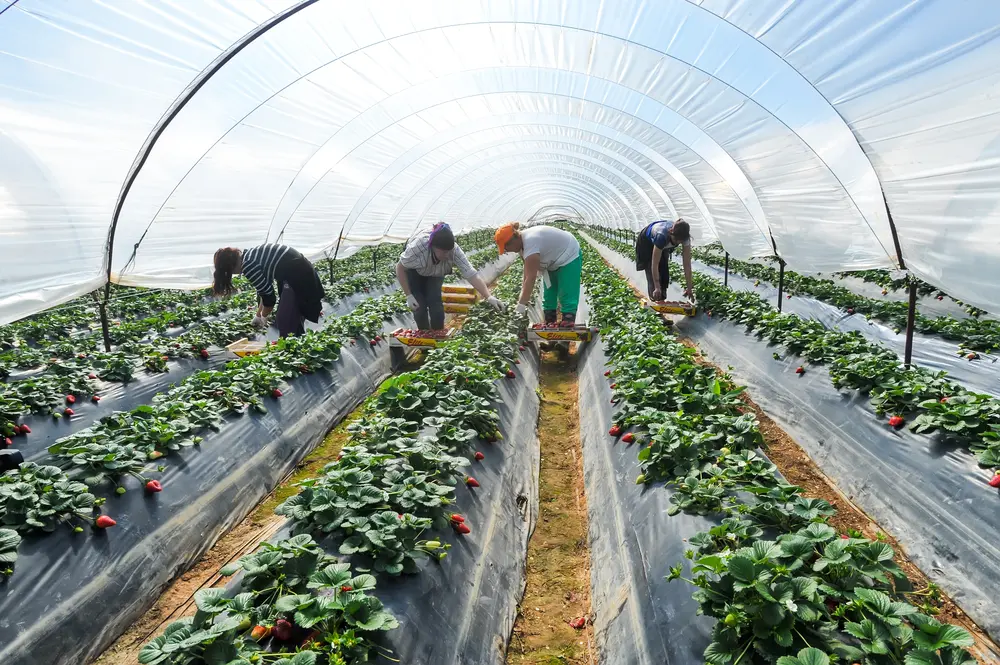

 

News release: Canada Tightens Temporary Foreign Worker Program, effective November 8, 2024

News release: Canada Tightens Temporary Foreign Worker Program, effective November 8, 2024

The Canadian government has announced significant changes to the Temporary Foreign Worker (TFW) Program, aimed at protecting the domestic labor market and preventing abuse of the system.

Effective November 8, 2024, the starting hourly wage for workers coming to Canada through the high-wage stream will be increased by 20%. This means more jobs will fall under the stricter rules of the low-wage stream, which includes additional employer requirements for housing, transportation, and recruitment of domestic workers.

The government hopes these changes will encourage employers to hire Canadian workers, especially from underrepresented groups like youth, Indigenous people, women, and people with disabilities. Minister of Employment, Workforce Development and Official Languages, Randy Boissonnault, emphasized the importance of tapping into Canada’s untapped talent pool.

In addition to the wage increase, the government is also implementing stricter measures to prevent fraud and abuse of the TFW Program. Employers will no longer be able to use attestations from professional accountants or lawyers to prove their business legitimacy. The government will also strengthen information sharing with provincial and territorial partners to ensure only genuine job offers are approved.

The changes are expected to affect 34,000 positions, potentially leading to a decrease of 20,000 approved positions through the TFW Program. The government remains committed to monitoring the program for misuse and fraud, and may implement further adjustments as needed.

Potential Impacts of the TFW Program Changes on Foreign Workers and Employers

The recent changes to the Temporary Foreign Worker (TFW) Program are expected to have significant implications for both foreign workers and employers.

For foreign workers:

  • Increased Difficulty in Obtaining Employment: The higher wage threshold for the high-wage stream and stricter rules for the low-wage stream may make it more difficult for foreign workers to find suitable employment in Canada.
  • Higher Living Costs: The increased wage requirement could lead to higher living costs for foreign workers, as they may need to find more expensive accommodation or transportation.
  • Reduced Job Security: With stricter regulations and a focus on hiring domestic workers, foreign workers may face increased job insecurity and a shorter duration of their temporary work permits.

For employers:

  • Increased Costs: The higher wages and additional requirements for the low-wage stream could increase costs for employers, potentially reducing their profitability.
  • Difficulty in Filling Vacancies: If fewer foreign workers are able to meet the new requirements, employers may struggle to fill certain job vacancies, particularly in sectors with labor shortages.
  • Increased Administrative Burden: Complying with the stricter regulations and providing additional support for foreign workers will increase the administrative burden on employers.

Overall, the changes to the TFW Program are likely to have a mixed impact on foreign workers and employers. While the changes are intended to protect the Canadian labor market and prevent abuse of the program, they may also have unintended consequences for those who rely on the TFW Program.

Quick facts

  • The low-wage stream and high-wage stream are two components of the TFW Program, differentiated by the wage level offered. There are key differences between the streams:
    • The low-wage stream is for jobs where the wage offered is below the provincial or territorial median hourly wage plus 20%. Under this stream:
      • employers must provide supports for workers that include return transportation to their country of origin and ensuring or providing suitable accommodation;
      • employers must conduct at least two additional methods of recruitment that are consistent with the occupation (targets an audience that has the appropriate education, professional experience and or skill level required for the occupation);
      • employers are limited to a temporary foreign worker complement of 10% of their workforce at any worksite (up to 20% for certain high-demand sectors); and
      • the TFW Program will not process LMIA applications for positions in Census Metropolitan Areas (CMA) where the unemployment rate is 6% or higher.
    • The high-wage stream is for jobs where the wage offered is above the provincial or territorial median hourly wage plus 20%. Under this stream:
      • there is currently no limit on the number of workers an employer can hire; and
      • CMA unemployment rates are not taken into consideration in LMIA application assessments.
  • The changes announced today are forecasted to result in 34,000 positions moving from the high-wage stream to the more stringent rules of the low-wage stream. This shift could result in as many as 20,000 fewer positions being approved through the TFW Program when combined with other policies in effect as of September 26, 2024, including the following:
    • the Government of Canada does not process LMIAs in the low-wage stream in CMAs with an unemployment rate of 6% or higher (with some exceptions for high-demand sectors); and
    • employers may hire no more than 10% of their total workforce through the TFW Program (with some exceptions for high-demand sectors).
  • As part of the LMIA, all job offers made by employers must be assessed to ensure that both the business and the job offer are genuine and legitimate. Applicants must provide supporting documents, as detailed on this web page: Business legitimacy – Canada.ca.
  • The Government of Canada is striving to ensure better representation of under-represented groups in the Canadian labour market. Examples of challenges facing these groups include the following:
    • In September 2024, the youth unemployment rate was 13.5%, compared to the national average of 6.5%.
    • Indigenous people at all education levels had higher unemployment rates in 2023 (7.7%) than the non-Indigenous population aged 25 to 54 (4.5%).
    • In 2022, the employment rate among those aged 16 to 64 with disabilities (65.1%) was 15 percentage points lower than the rate for those without disabilities (80.1%).

Are you affected by these measurements?

If you’re affected by these changes to the TFW Program, seeking professional guidance is crucial. Our experienced immigration experts can provide tailored advice to help you navigate the new regulations and understand your options. Whether you’re a foreign worker looking to continue your employment in Canada or an employer seeking to hire temporary foreign workers, our team can assist you in finding the best solutions and staying informed about the latest updates. Get assistance here.

Important Changes to Canada’s Post-Graduation Work Permit (PGWP) Program

Important Changes to Canada’s Post-Graduation Work Permit (PGWP) Program

Effective November 1, 2024, the Canadian government is introducing significant changes to the Post-Graduation Work Permit (PGWP) program. These changes aim to align the program more closely with the country’s labor market needs and ensure that international students who graduate from Canadian institutions have the skills and qualifications required to contribute meaningfully to the Canadian economy.

Key Changes

One of the most notable changes is the introduction of new language requirements. Starting November 1st, all PGWP applicants will be required to demonstrate a higher level of English or French language proficiency. This means that students who graduate from university programs will need to achieve a minimum Canadian Language Benchmark (CLB) of 7 in all four language skills (reading, writing, listening, and speaking). For students who graduate from college programs or other programs not listed above, the required CLB level is 5.

Another significant change involves field of study requirements. While all fields of study are eligible for PGWP for students graduating from university programs, those graduating from college programs or other programs will need to have completed a program in a specific field of study that aligns with Canada’s long-term labor shortages. These fields include agriculture and agri-food, healthcare, science, technology, engineering, and mathematics (STEM), trade, and transport.


New eligibility requirements

If you submitted your study permit application before November 1, 2024

If you submitted your study permit application before November 1, 2024 and are applying for a PGWP on or after November 1, 2024, you must also meet the new requirement that applies to your situation.

  • If you graduated with a bachelor’s degree, master’s degree or doctoral degree from a university:
    • Language requirement: You must prove your English or French language skills with a minimum level of Canadian Language Benchmarks (CLB) 7 in English or Niveaux de competence linguistique canadiens (NCLC) 7 in French in all 4 language areas.
  • If you graduated in any other university program:
    • Language requirement: You must prove your English or French language skills with a minimum level of CLB 7 in English or NCLC 7 in French in all 4 language areas.
  • If you graduated from a college program or any other program not listed above:
    • Language requirement: You must prove your English or French language skills with a minimum level of CLB 5 in English or NCLC 5 in French in all 4 language areas.

If you submit your study permit application on or after November 1, 2024

Language requirements

You must provide proof of language ability to meet the language requirements for the PGWP when you submit your application.

To measure your English or French levels, you will be required to use

Proof of language ability

You must demonstrate your skill in each of the following abilities:

  • reading
  • writing
  • listening
  • speaking

Your test results must be less than 2 years old when you submit your application. Language test results from these tests are:

English French

CELPIP: Canadian English Language Proficiency Index Program

  • You should take the CELPIP-General test.

TEF Canada: Test d’évaluation de français

IELTS: International English Language Testing System

  • You should take the IELTS General Training option.

TCF Canada: Test de connaissance du français

PTE Core: Pearson Test of English

  • You should take the PTE Core option
Field of study requirement

If your study program has a field of study requirement, you must graduate from a program linked to certain occupations in long-term shortage. The fields of study are divided into 5 broad categories:

  • agriculture and agri-food
  • healthcare
  • science, technology, engineering and mathematics (STEM)
  • trade
  • transport
CIP codes and title

The Classification of Instructional Programs (CIP) is used to classify post-secondary education programs according to field of study in Canada.

Learn more about CIP Canada and how it’s used.


What Remains Unchanged

Despite these changes, some aspects of the PGWP program will remain the same. Students who apply for a PGWP before November 1, 2024, will only need to meet the current eligibility criteria. Additionally, graduates from PGWP-eligible flight schools will also continue to be eligible for a PGWP under the existing rules.

How to Prepare

If you’re an international student currently studying in Canada or planning to do so, it’s essential to familiarize yourself with these changes and start preparing accordingly. This may involve taking language proficiency tests, ensuring that your chosen program aligns with the new field of study requirements, and understanding the specific language levels required for your program.

By staying informed and taking proactive steps, you can increase your chances of successfully obtaining a PGWP and building a successful career in Canada.

IRCC Tightens the Reins on Intra-Company Transferees

IRCC Tightens the Reins on Intra-Company Transferees

Immigration, Citizenship and Refugees Canada (IRCC) has recently adjusted its guidelines for Intra-Company Transferees (ICTs), effective October 3. These changes aim to restrict the ease with which employers can secure work permits for their foreign employees under the International Mobility Program.

The revised guidelines impose stricter criteria for multinational corporations and require employees to possess specialized knowledge essential to their roles. This shift is part of IRCC’s broader strategy to reduce the number of temporary residents in Canada.

International Mobility Program: A Brief Overview

The International Mobility Program allows employers to utilize Intra-Company Transfers to obtain work permits for foreign nationals without undergoing a Labour Market Impact Assessment (LMIA). LMIA is a process designed to ensure that hiring foreign workers does not negatively impact the Canadian labor market.

Enhanced Requirements for Intra-Company Transfers

The updated guidance mandates that foreign enterprises seeking ICTs must qualify as established multinational corporations (MNCs). This means they must have revenue-generating operations in at least two countries before setting up in Canada.

Other notable changes include:

  • Clarified Definition of “Specialized Knowledge”: IRCC has provided more specific guidance on assessing whether an applicant possesses specialized knowledge and whether a position requires such expertise.
  • Eligibility Criteria for Foreign Nationals: The guidelines have clarified the eligibility criteria for foreign nationals applying for ICTs.
  • Consolidated Instructions: The instructions for ICTs have been consolidated into a single page for easier reference.

IRCC has emphasized that ICTs should not be used as a means to transfer an enterprise’s general workforce to affiliated entities in Canada. The update also underscores the importance of officers including all relevant evidence for ICT applications within the Global Case Management System (GCMS).

Free Trade Agreements and International Mobility

IRCC has also updated staff documentation related to free trade agreements associated with the International Mobility Program, including:

  • Canada–United States–Mexico Agreement
  • Canada–Korea Free Trade Agreement
  • Canada–Peru Free Trade Agreement
  • Canada–Colombia Free Trade Agreement
  • Canada–Chile Free Trade Agreement
  • Canada–European Union: Comprehensive Economic and Trade Agreement  
  • Canada–United Kingdom Trade Continuity Agreement
  • Comprehensive and Progressive Agreement for Trans-Pacific Partnership 

The updates standardize the format of instructions for these agreements, integrating all guidance on assessing ICTs into the specific instructions for each FTA.

IRCC’s Ongoing Reforms

These program updates for ICTs align with IRCC’s broader initiative to scale back temporary resident programs. Immigration Minister Marc Miller aims to reduce the proportion of temporary residents in Canada’s population from 6.5% to 5% over the next three years.

In September, Miller announced measures to significantly reduce the number of study permits, post-graduation work permits (PGWPs), and spousal open work permits. The Temporary Foreign Worker Program (TFWP), which enables LMIA-based work permits, has also faced scrutiny. The government has suspended processing of the low-wage stream of the TFWP for areas with unemployment rates exceeding 6%.

The upcoming Levels Plan, to be released in November, will be the first to include targets for temporary residents. This plan outlines immigration targets for the following year and provisional targets for the subsequent two years.

Canada’s New Study Permit Pilot Project: A Streamlined Path for Rejected Applications

Canada’s New Study Permit Pilot Project: A Streamlined Path for Rejected Applications

The Canadian Federal Court has introduced a groundbreaking pilot project designed to expedite the review process for rejected study permit applications. This initiative, launched in October, aims to alleviate the prolonged wait times that international students often face when challenging immigration decisions.

Under the Study Permit Pilot Project, eligible students can now potentially have their judicial review applications processed in as little as five months. This marks a substantial reduction compared to the standard 14-18 month timeframe. By streamlining the process, the project aims to provide a more timely and efficient resolution for students seeking to pursue their studies in Canada.

Eligibility Criteria

To participate in the pilot project, students must meet several criteria:

  • Rejected Study Permit: The applicant must have had their study permit application rejected by Immigration, Refugees and Citizenship Canada (IRCC).
  • Mutual Consent: Both the applicant and IRCC must agree to participate in the pilot.
  • Straightforward Case: The case must involve no complex factual or legal issues, such as inadmissibility or national security concerns.
  • No Time Extensions: The applicant cannot request an extension of time to file their application.
  • No Affidavit Evidence: New evidence cannot be introduced through affidavits.

Application Process

The application for the Study Permit Pilot Project is entirely online through the court’s electronic filing system. Applicants must submit Form IR-1, indicating their participation in the pilot project at specific points within the application.

Why This Pilot Project?

The increasing number of leave and judicial review requests filed with the Federal Court prompted the initiation of this joint pilot with IRCC. In recent years, the court has experienced a significant surge in immigration-related filings, surpassing four times the average seen in the pre-pandemic period.

Government’s Approach to International Students

In response to affordability and housing pressures, the Canadian government has implemented several policies aimed at reducing the number of temporary residents, including international students. These measures include:

  • International Student Cap: A limit of 485,000 new study permits was imposed in 2024.
  • Revised Targets: The government has further reduced the target for new study permits to 437,000 in 2025.
  • Language Eligibility: A language eligibility criterion has been introduced for Post-Graduation Work Permits (PGWPs).
  • Limited PGWPs: PGWPs are now limited to college students studying in high-labour demand programs.
  • Restricted SOWPs: Spousal Open Work Permits (SOWPs) for spouses of master’s students are subject to stricter eligibility requirements.

The Study Permit Pilot Project represents a positive step towards addressing the challenges faced by international students seeking to study in Canada. By streamlining the review process and providing a more efficient resolution, the project aims to support the aspirations of aspiring students and contribute to Canada’s international education landscape.