
Mar 6, 2024 | Blog, Canadian Employers, Federal Skilled Trades, Immigration, In the News, New Immigration Programs, New Laws, Skilled Workers, Working In Canada
Launched in 2015, Express Entry has become the primary pathway for skilled workers to obtain Canadian permanent residency. This innovative system streamlines the immigration process, ranking candidates based on their human capital factors and inviting those with the highest scores to apply for permanent residency.
How Express Entry Works
1. Eligibility
To be eligible for Express Entry, you must meet the minimum requirements under one of the three federal programs:
-
Federal Skilled Worker Program (FSWP):
- Requires at least one year of continuous, full-time (or equivalent part-time) paid work experience in the past 10 years in an occupation classified under National Occupational Classification (NOC) Skill Level 0, A, or B.
- Possess a valid Educational Credential Assessment (ECA) from a designated organization proving your foreign education is equivalent to a Canadian educational credential.
- Demonstrate proficiency in English or French by meeting the minimum Canadian Language Benchmark (CLB) score of 7 in all four abilities (reading, writing, listening, and speaking) through an IRCC-approved language test.
- Meet the minimum points requirement in the Comprehensive Ranking System (CRS).
-
Federal Skilled Trades Program (FSTP):
- Targets skilled workers in specific trades facing labor shortages in Canada, as listed on the In-Demand Skills List.
- Requires a minimum of two years of continuous, full-time (or equivalent part-time) paid work experience in the past 10 years in a qualifying skilled trade.
- Must possess a valid Certificate of Qualification from a provincial or territorial regulatory body in Canada for your specific trade.
- Demonstrate proficiency in English or French by meeting the Canadian Language Benchmark (CLB) score of 7 in all four abilities.
- Meet the minimum points requirement in the CRS.
-
Canadian Experience Class (CEC):
- Offers a pathway for skilled workers who have gained at least one year of continuous, full-time (or equivalent part-time) skilled work experience in Canada within the past 3 years.
- Must have held a valid Canadian work permit for the skilled work experience.
- Demonstrate proficiency in English or French by meeting the minimum Canadian Language Benchmark (CLB) score of 7 in all four abilities.
- Meet the minimum points requirement in the CRS.
2. Building Your Express Entry Profile
Once you’ve confirmed your eligibility, it’s time to create your Express Entry profile. This online profile is where you showcase your skills and experience to IRCC. Be sure to meticulously fill out all sections, including:
- Work Experience: Detail your work history, including job titles, duties, employers, and employment dates.
- Education: Provide details of your educational qualifications, including diplomas, degrees, and institutions attended.
- Language Skills: Submit results from approved language tests to demonstrate your English or French proficiency.
- Adaptability: Include information about your spouse/common-law partner’s education and work experience, as well as any previous Canadian study or work experience you may have.
3. The Comprehensive Ranking System (CRS)
The CRS is the heart of Express Entry. It assigns points based on various factors that contribute to your potential success as a Canadian permanent resident. These include:
- Age: Younger applicants receive higher points.
- Education: Points are awarded based on your educational qualifications and their Canadian equivalency.
- Work Experience: Points are granted for skilled work experience relevant to your NOC code and Canadian labor market needs.
- Language Proficiency: Your proficiency in English or French significantly impacts your CRS score.
- Skill Transferability: Points are awarded for factors that demonstrate your ability to adapt and succeed in the Canadian workplace, such as your spouse/common-law partner’s skills and qualifications.
4. Enter the Express Entry pool
Your profile will be placed in the pool where it will be compared against other candidates.
5. Receive an Invitation to Apply (ITA)
Periodically, Immigration, Refugees and Citizenship Canada (IRCC) invites candidates with the highest CRS scores to apply for permanent residency.
6. Applying for Permanent Residency
If you receive an ITA, congratulations! You’ll have 60 days to submit a complete permanent residence application, including supporting documents such as:
- Medical examinations
- Police certificates
- Proof of work experience and education
- Proof of funds
Factors Affecting Your CRS Score
- Age
- Education
- Work experience
- Language proficiency (English or French)
- Adaptability (spouse/common-law partner factors, Canadian work experience, etc.)
Maximizing Your CRS Score
A high CRS score is crucial for receiving an Invitation to Apply (ITA) from IRCC. Here are some strategies to enhance your CRS score:
- Improve Language Skills: Aim for higher scores in English or French language tests.
- Gain Additional Canadian Work Experience: Work experience in Canada carries significant weight in the CRS point system.
- Pursue Higher Education in Canada: Obtaining a Canadian educational credential can boost your score.
- Explore Provincial Nomination Programs (PNPs): Many PNP programs align with Express Entry, offering additional CRS points if you receive a nomination from a specific province.
- Consider a Spouse or Common-Law Partner: Their education, work experience, and Canadian ties can positively affect your CRS score.
Benefits of Express Entry
Express Entry offers several advantages compared to traditional immigration streams:
- Faster Processing Times: Applications are typically processed much quicker through Express Entry.
- Transparent System: The point-based system ensures a clear and meritocratic selection process.
- Flexibility: Successful applicants can choose where to live and work in Canada (with some exceptions).
Conclusion
Express Entry is a powerful tool for skilled workers seeking to build a life in Canada. By understanding the eligibility requirements, optimizing your CRS score, and exploring additional options, you can significantly increase your chances of receiving an invitation to apply for permanent residency. Start your journey today and unlock the possibilities that Canada has to offer!

Mar 5, 2024 | Blog, Canadian Employers, Immigration, In the News, New Immigration Programs, New Laws, Skilled Workers, Temporary Foreign Workers, Working In Canada
Effective March 4, 2024, British Columbia implements the Provincial Attestation Letter (PAL) system for international students applying for study permits. This new process aligns with the recent cap on study permits introduced by Immigration, Refugees and Citizenship Canada (IRCC).
What are Provincial Attestation Letters (PALs)?
PALs serve as verification documents issued by the B.C. government to designated learning institutions (DLIs). These institutions then forward the letters to accepted international student applicants. The PAL acts as proof that the student has been accepted by a DLI within its allocated quota for study permit applications.
IRCC’s Study Permit Cap and Allocation
On January 22, 2024, IRCC announced a nationwide cap of 360,000 new study permits for 2024, a significant decrease from 2023 levels. Each province receives an allocation based on population. B.C., as Canada’s third most populous province with approximately 5.6 million residents, has been granted a total allocation of 83,000 undergraduate study permit applications.
Impact on B.C.’s International Student Program
The cap is expected to have a greater impact on private institutions in B.C., which typically have a higher intake of international students. The provincial government anticipates approximately 50,000 approved study permits for 2024 based on historical acceptance rates. This reflects a decrease from the 60,000 permits issued in 2023 for undergraduate programs.
Furthermore, B.C. has implemented additional measures to address concerns about “unsustainable growth” within the provincial international student program. These measures include:
- A pause on approvals for new post-secondary institutions seeking to enroll international students until February 2026.
- Stricter approval standards for private degree programs, focusing on program quality, graduate employability, and adequate student support resources.
- Imposition of new minimum language proficiency requirements for students at private institutions.
Conclusion
The introduction of PALs and stricter provincial regulations aim to streamline the international student application process and ensure a more sustainable model for B.C.’s education system. This aligns with IRCC’s national cap and broader efforts to enhance the overall quality and value of the Canadian international student experience.

Feb 29, 2024 | Blog, Express Entry, Immigration, Permanent Residency, Why you need an immigration specialist
In the most recent draw held on February 29, 2024, the IRCC (Immigration, Refugees and Citizenship Canada) issued 2,500 invitations to apply to eligible candidates.
This targeted French Proficiency Express Entry draw, with a minimum Comprehensive Ranking System (CRS) score of 336. The lowest minimum CRS score of the year so far.
Express Entry: Canada holds an All-Program draw on February 28, 2024
(more…)
Feb 29, 2024 | Blog, Canadian Employers, Immigration, In the News, New Immigration Programs, New Laws, Skilled Workers, Temporary Foreign Workers, Working In Canada
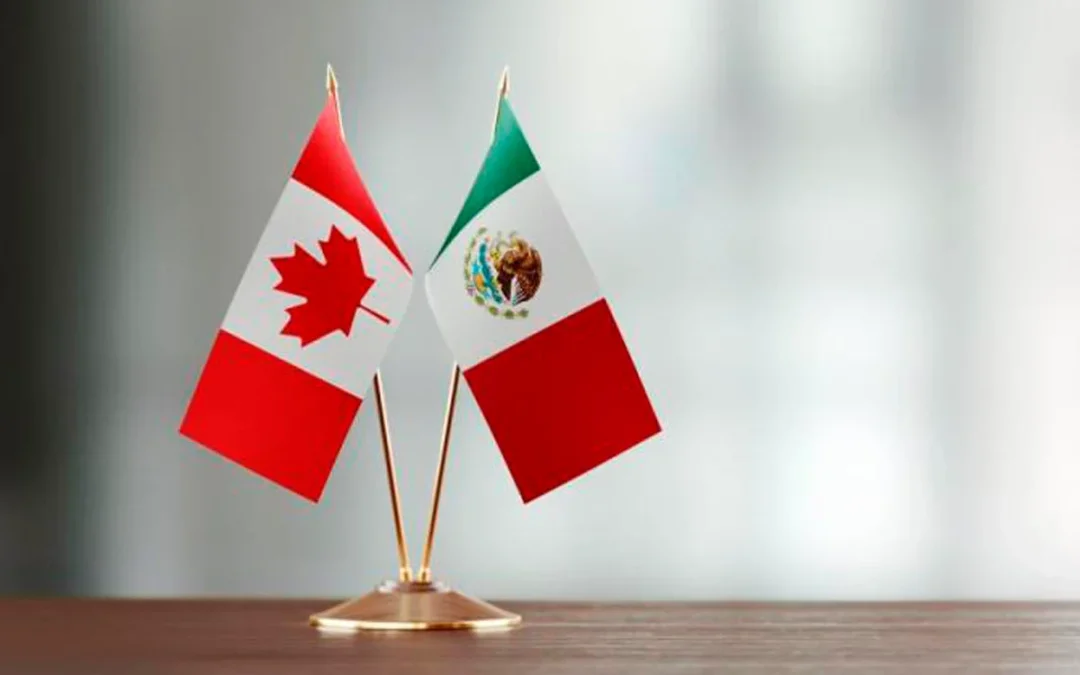
As of February 29, 2024, Mexican citizens can now apply for an Electronic Travel Authorization (eTA) to visit Canada by air under certain circumstances. This streamlines the travel process for many Mexican visitors while maintaining the integrity of Canada’s immigration system.
Canada and Mexico have enjoyed a long and fruitful partnership, collaborating for over 80 years. As part of their ongoing commitment to fostering strong ties and facilitating travel between the two nations, Canada has adjusted its travel requirements for Mexican citizens.
What is new?
Starting February 29th, 2024, at 11:30 PM Eastern Time, Mexican citizens can now apply for an Electronic Travel Authorization (eTA) when travelling to Canada by air, if holding a valid US non-immigrant visa or those who have held a Canadian visa in the past 10 years. This simplifies the process for many Mexican citizens, as a significant portion already hold US visas, allowing them to continue visa-free travel to Canada.
This new eTA option applies to Mexican citizens:
- Travelling by air
- Holding a valid US non-immigrant visa
- OR having held a Canadian visa in the past 10 years
Who is still required to apply for a visa?
Individuals who do not meet the above criteria, such as those travelling by land or sea, will need to apply for a Canadian visitor visa.
Who can still travel visa-free?
- Most Mexican citizens, as the majority already hold US visas.
- Those who meet the criteria for visa-free travel will continue to enjoy seamless entry into Canada.
Why the change?
This adjustment comes in response to a rise in asylum claims from Mexican citizens which were eventually refused, withdrawn, or abandoned. It aims to strike a balance between facilitating travel and tourism while ensuring sound management of the immigration and asylum systems.
What about work and study permits?
The application process for Mexican citizens seeking work or study permits in Canada remains unchanged. Existing pathways like the Temporary Foreign Worker Program and the International Mobility Program are still readily available.
What does this mean for the future?
Canada remains committed to fostering travel, tourism, and business with Mexico. They will continue to collaborate with the Mexican government to strengthen immigration pathways and support both managed migration and those genuinely seeking asylum. Additionally, Canada is expanding its network of visa application centers in Mexico for improved service.
This move aims to alleviate pressure on the Canadian border, immigration system, and social services while maintaining convenient travel options for Mexican citizens wishing to visit Canada.
Furthermore, Canada is actively looking to expand the Seasonal Agricultural Worker Program (SAWP) by including year-round primary agriculture, seasonal fish and seafood, and primary food processing. This modernization will benefit both Canadian and Mexican workers and businesses, solidifying the mutually beneficial relationship between the two countries.
Quotes
“Mexico is an important partner to Canada. We will continue to welcome Mexican temporary workers, students, visitors and immigrants who bring diverse skills and important contributions to our economy and communities. We strive for balance between the movement of people between our two great countries, and the need to relieve pressure on our immigration system so we can provide protection to those who need it the most.”
– Marc Miller, Minister of Immigration, Refugees and Citizenship
Quick facts
- Asylum claims made by Mexican citizens reached a record high in 2023 at a time when Canada’s asylum system, housing and social services were already under significant pressure. The majority of these claims (approximately 60%) were either rejected by the Immigration and Refugee Board of Canada, or withdrawn or abandoned by the applicant.
- In 2023 alone, asylum claims from Mexican citizens accounted for 17% of all claims made that year from all nationalities around the world. The country’s asylum claim rate has risen significantly since the visa was first lifted in 2016 (from 260 claims in 2016 to 23,995 claims in 2023).
- All eTAs issued to Mexican passports before 11:30 p.m. Eastern time on February 29, 2024, will no longer be valid—except for eTAs linked to Mexican passports with a valid Canadian work or study permit. Mexican citizens travelling to Canada without a valid work or study permit will need to apply for a visitor visa or reapply for a new eTA—if they are eligible.
- Mexican citizens holding a valid work or study permit can still travel by air to Canada with their existing eTA as long as it remains valid, and they can continue to study or work in Canada based on the validity and conditions of their permit. Mexican visitors who are already in Canada on an eTA can stay for as long as they are authorized (up to six months from the date they arrive in Canada). However, if they plan to leave Canada and wish to return, they must have the proper travel documents (visa or new eTA).
- Most approved visa applicants receive multiple-entry visas, which allow them to visit Canada as many times as they want, for up to 10 years, or until their passport expires.
- The eTA is a digital travel document that most visa-exempt travellers need in order to travel to or transit through Canada by air. IRCC first began expanding its eTA program to eligible citizens from visa-required countries in 2017. Mexico will now be among 15 countries whose citizens can to fly to Canada on an eTA, instead of a visa, if they meet certain requirements.

Feb 28, 2024 | Blog, Express Entry, Immigration, Permanent Residency, Why you need an immigration specialist
Recent Canada Express Entry draw
In the most recent draw held on February 28, 2024, the IRCC (Immigration, Refugees and Citizenship Canada) issued 1,470 invitations to apply to eligible candidates.
This targeted All-program Express Entry draw, with a minimum Comprehensive Ranking System (CRS) score of 534.
Express Entry: Canada holds an Agri-food and Agriculture Occupations draw on February 16, 2024
Understanding Express Entry
Express Entry is an innovative application management system that oversees the Federal Skilled Worker Program, the Canadian Experience Class, and the Federal Skilled Trades Program. Candidates in the Express Entry pool are assessed based on various factors like work experience, language ability, education, and age. They are assigned a Comprehensive Ranking System score, and those with the highest scores are most likely to receive an ITA.
Benefits of Express Entry
Moreover, Express Entry has revolutionized how Canada selects its immigrants, prioritizing those who bring valuable skills and experience to the country. With unparalleled efficiency, this program processes applications at lightning speed, providing applicants with the opportunity to settle in Canada quickly and effectively.
Eligibility and Requirements
To succeed in Express Entry, meeting certain requirements is paramount. Your work experience, education, language proficiency, and other factors will determine your score in the Comprehensive Ranking System (CRS). Keep your documents in order and strive to reach the minimum required score to receive an invitation.
Tips to Increase Your Chances
Want to enhance your chances of receiving an ITA in future draws? Here are some tips to boost your Express Entry profile:
- Improve Language Skills: Dedicate time to enhancing your language proficiency in English or French. Higher language scores can significantly improve your CRS score.
- Job Offer Advantage: Having a valid job offer from a Canadian employer can increase your CRS score and chances of receiving an ITA.
- Maximize Education: Pursue higher education to gain additional points in the CRS system and stand out in future draws.
- Stay Informed: Stay updated with the latest Express Entry draws and changes to the selection criteria.
- Professional Guidance: Furthermore seek assistance from experienced immigration consultants to navigate the Express Entry process smoothly and optimize your profile.
How can we help you?
When you receive an ITA (Invitation to Apply), a new series of steps begins for you to obtain your permanent residency in Canada.
Get in touch with us as soon as possible to get access to our Post-ITA (post invitation to apply) services.
Do you want to do it yourself? Find out more about how to get an ITA and what to do next – Quick Guide.
Our expert immigration consultants are here to guide you through the Express Entry process and ensure a seamless and successful journey to permanent residency in Canada! You can speak with one of our consultants by clicking the button below.

Feb 24, 2024 | Blog, Canadian Employers, Federal Skilled Trades, Immigration, In the News, New Immigration Programs, New Laws, Skilled Workers, Working In Canada
The Canadian government announced on Friday the launch of a new family-based humanitarian pathway for Sudanese refugees and nationals who were residing in the country on April 15, 2023. The aim is to allow these individuals to reunite permanently with their family members in Canada.
How to get more information about the new humanitarian pathway
For more information on the new humanitarian pathway, including how to apply, visit the official IRCC website.
Generally speaking, Individuals can make a refugee claim in Canada at a port of entry upon arrival or online if already in Canada. CBSA or IRCC officials will determine if an individual is eligible to be referred to the Immigration and Refugee Board for a hearing. Factors determining an individual’s eligibility to make a refugee claim include whether the claimant has committed a serious crime, made a previous claim in Canada, made a claim in another country with which Canada shares immigration information, or received protection in another country.
Why was the new humanitarian pathway created?
The Canadian government created the new humanitarian pathway in response to the ongoing crisis in Sudan. The country has been engulfed in conflict since April 2023, which has caused a severe humanitarian crisis.
What other measures has Canada taken to help those affected by the crisis in Sudan?
In 2023, Canada allocated over $165 million in humanitarian assistance funding to experienced partners in Sudan and neighboring countries impacted by the crisis. In addition to the measures announced on Friday, Canada has already announced temporary measures for Sudanese nationals:
- Allowing Sudanese nationals in Canada to apply to extend their stay or change their status as a visitor, student or temporary worker, free of charge.
- Waiving the application fees for temporary residence for foreign nationals who fled Sudan with their Canadian family members.
What impact will the new humanitarian pathway have?
The new humanitarian pathway will allow thousands of Sudanese refugees and nationals to reunite with their family members in Canada and start a new life in a safe and prosperous country.
 Useful Resources for Canada
 Useful Resources for U.S.
 Our Local Immigration Services


