The Canadian province of British Columbia is actively looking to attract skilled immigrants, with a new round of invitations issued on March 26, 2024, through the British Columbia Provincial Nominee Program (BCPNP). This program allows individuals with the skills and experience British Columbia needs to obtain Canadian permanent residency.
Targeted Draws for In-Demand Fields
The latest draw focused on several key sectors experiencing labor shortages. Invitations to Apply (ITAs) were issued to qualified candidates in:
Technology: This draw saw the highest bar for entry, with only 47 candidates receiving invitations and a minimum score requirement of 114 points.
Childcare: Recognizing the importance of early childhood education, British Columbia invited 28 Early Childhood Educators (National Occupation Classification 42202) with a more accessible minimum score.
Healthcare: The province invited 30 healthcare workers with a minimum score of 85 points.
Construction: Up to 21 invitations were issued to skilled construction workers.
Veterinary Care: A pilot program targeting veterinary professionals saw a limited number of invitations issued (up to five).
What is the BCPNP?
The British Columbia Provincial Nominee Program is a provincial immigration program designed to attract skilled workers to the province. By targeting specific occupations in high demand, the BCPNP helps address labor shortages and boost the provincial economy.
British Columbia Seeks Over 2,500 New Residents in 2024
This latest draw brings the total number of invitations issued in 2024 to up to 131 and over 2,500 for the year so far. These numbers highlight British Columbia’s commitment to attracting skilled immigrants to contribute to the province’s growth and prosperity.
How Does the BCPNP Work?
Individuals interested in immigrating to British Columbia through the BCPP can create an online profile and express their interest in the program. The BCPNP uses a points-based system, where candidates receive points for factors such as work experience, education, and language skills. Those with the highest scores are invited to apply for a provincial nomination, which is a key step towards obtaining Canadian permanent residency.
General Eligibility
Skilled Trades: You must have at least two years of continuous, full-time work experience (or equivalent) in your skilled occupation.
Valid Job Offer: You need a full-time, permanent job offer from a B.C. employer in an eligible occupation classified under National Occupational Classification (NOC) skill level 0, A, or B https://noc.esdc.gc.ca/.
Educational Background: Possess a valid post-secondary diploma, degree, or certificate from a recognized institution, typically within the last three years.
Language Skills: Meet the Canadian Language Benchmarks (CLB) or Niveaux de compétence linguistique canadiens (NCLC) requirements in English or French. The minimum score required can vary depending on the stream.
International Graduate: This stream is for recent graduates from eligible Canadian post-secondary institutions with a valid job offer in B.C. Minimum requirements typically involve meeting the educational background criteria and the language benchmarks.
Qualifying for the BCPNP
Check Your Eligibility: Review the BCPNP website https://www.welcomebc.ca/ to assess if you meet the general eligibility criteria and explore the specific requirements for your desired stream.
Create a Skills Immigration Registration System (SIRS) Profile: If eligible under the Skilled Worker category, you’ll need to create a SIRS profile to be considered for future draws.
Improve Your Score: The BCPNP uses a points-based system. Explore ways to enhance your score through factors like gaining more work experience, improving language proficiency, or obtaining additional education.
Additional Tips
Consider seeking professional immigration advice to navigate the application process effectively.
Ensure you have all the required documentation readily available before applying.
If you have the skills and experience British Columbia is seeking, the BCPNP could be a great pathway to immigrating to Canada. For more information on the program and eligibility requirements, you can visit the official BCPNP website or you can schedule a strategic call with one of our experienced consultants and assess your eligibility with a tailored immigration plan . Check our availability here.
The Canadian province of Quebec has conducted its largest Arrima draw of 2024, inviting a significant number of skilled workers to apply for a Quebec Selection Certificate (CSQ). This is a crucial step for obtaining permanent residency in Canada.
What is Arrima?
Arrima, which stands for “Arrivée en continu pour l’immigration au Québec” (Continuous Arrival for Immigration to Quebec), is an online system used by Quebec to manage applications for immigration through its selection programs. Skilled workers interested in immigrating to Quebec can create an Expression of Interest (EOI) profile in Arrima. This profile outlines their skills, experience, and education. MIFI, the Quebec Ministry of Immigration, then conducts regular draws from the pool of EOI profiles, inviting candidates who best meet Quebec’s immigration needs to apply for a CSQ.
Details of the Draw
The latest draw, conducted on March 21, 2024, saw MIFI inviting a record-breaking 1,357 candidates to apply for a CSQ. This surpasses the previous largest draw of 2024, which invited 1,136 candidates in March.
Selection Criteria
To be invited in this draw, candidates needed to meet specific criteria. They required:
A minimum score of 596 points under the Quebec Experience Class (QEC) point system. This point system evaluates factors like education, work experience, language skills, and age.
At least level 7 oral proficiency in French. Quebec prioritizes French-speaking immigrants to support the province’s French culture and language.
A valid job offer outside the territory of the Montreal Metropolitan Community. Quebec aims to distribute skilled workers across the province and reduce pressure on major cities like Montreal.
Strong Demand for Skilled Workers
The high number of invitations in this draw reflects Quebec’s ongoing need for skilled workers. The province faces labor shortages in various sectors and actively seeks qualified immigrants to fill these gaps. This trend is expected to continue in 2024, with Quebec projecting to invite a significant number of skilled workers through Arrima draws.
What Happens Next?
The invited candidates now have 60 days to submit a complete application for a CSQ to MIFI. If successful, they will receive a CSQ, which allows them to apply for permanent residence with the federal government of Canada.
This news is encouraging for skilled workers seeking immigration opportunities in Quebec. The high number of invitations demonstrates the province’s openness to immigration and its commitment to attracting talented individuals to contribute to its economy.
The Canadian province of Manitoba has continued its efforts to support Ukrainians seeking resettlement by holding a special draw through the Manitoba Provincial Nominee Program (MPNP) specifically for Ukrainian candidates. This 24th draw, held on March 26, 2*024, invited 179 Ukrainians to apply for provincial nomination, putting them on a path to Canadian permanent residency.
What is the MPNP?
The Manitoba Provincial Nominee Program (MPNP) is a pathway for immigration to Canada established by the Manitoba provincial government. Unlike federal immigration programs, the MPNP allows the province to nominate individuals who possess the skills and experience they are looking for in their workforce and communities.
Eligibility for Ukrainian Candidates
To be eligible for the special MPNP draw for Ukrainians, applicants must meet several criteria:
Ukrainian Citizenship: This program is specifically designed to assist Ukrainian nationals.
Language Skills: Applicants must demonstrate a minimum level of English or French language proficiency, with a Canadian Language Benchmarks (CLB) score of 4 in each of the four language skills: reading, writing, listening, and speaking.
Manitoba Connections: Having a close relative in Manitoba, prior work experience or education in the province, or established community ties can strengthen an application.
Express of Interest (EOI) Points: The MPNP uses an Expression of Interest (EOI) system, where candidates create a profile and receive points based on factors like their work experience, education, and language skills. A minimum score of 60 points is required to be considered for a nomination invitation.
Language Test: Applicants must provide a valid language test result from an approved institution to demonstrate their English or French proficiency.
Manitoba’s Support for Ukrainians
This draw brings the total number of Ukrainians invited to apply through the MPNP in 2024 to 451. This targeted approach reflects Manitoba’s dedication to supporting Ukrainians seeking to rebuild their lives in Canada. The province offers a welcoming environment with established Ukrainian communities and a robust network of settlement services to assist newcomers in integrating successfully.
By expediting applications from Ukrainians, Manitoba streamlines the immigration process and offers a path to permanent residency for those fleeing the war.
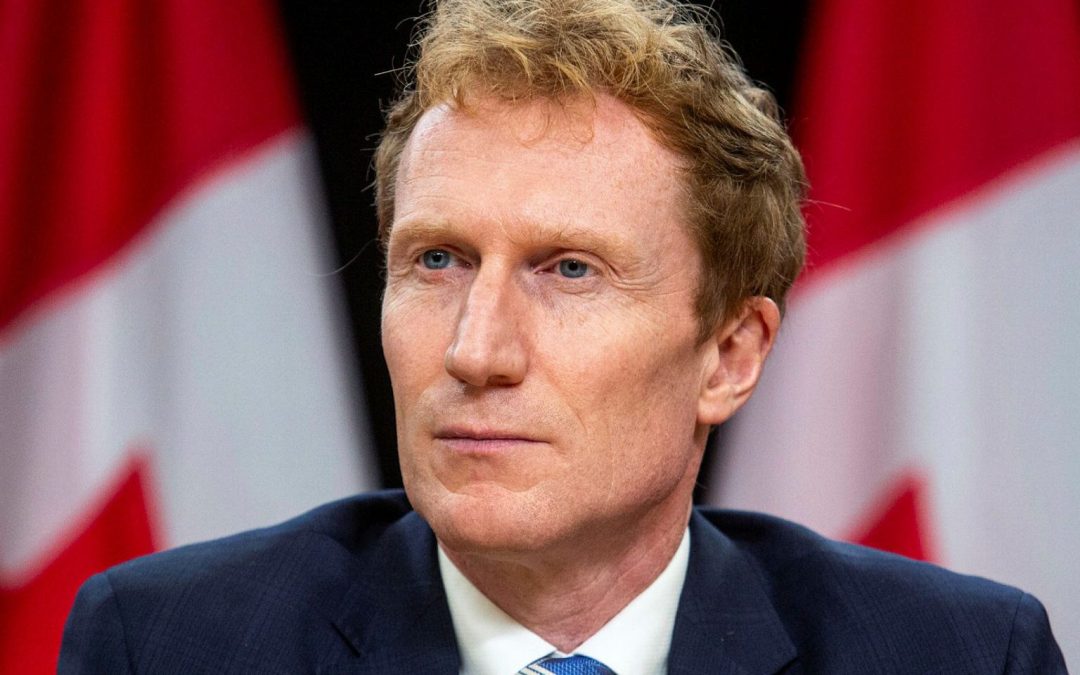
Canadian Immigration, Refugees and Citizenship (IRCC) Minister Marc Miller today provided an update on temporary resident levels in Canada, announcing new reforms. He was joined by Employment Minister Randy Boissonnault for the announcement.
In a move to better match Canada’s workforce needs, the Immigration Minister has ordered a review of temporary foreign worker programs offered by the IRCC department. Additionally, Canada will be establishing yearly quotas for temporary residents, mirroring the existing system for permanent residents, starting this fall.
There are currently over 2.5 million temporary residents living in the country, accounting for 6.2% of the population. The government aims to reduce the temporary resident population to 5%, or about 2 million, “to reach an appropriate volume of temporary residents that Canada can welcome,” said Miller.
The plan is to reduce the number of temporary residents by approximately 20% over the next three years.
Miller also announced that there will be more invitations (draws) for inland immigration, meaning for those already in the country to become permanent residents.
With the measure, Canada will reduce 5% of temporary residents annually with the goal of making them permanent residents.
Changes to the Temporary Foreign Worker Program (TFWP) were also announced, including a reduction in the LMIA validity period to 6 months starting May 1, 2024, with certain exceptions.
All employers identified in the 2022 Workforce Solutions Plan will have a reduction from 30% to 20% of their workforce coming from the Temporary Foreign Worker Program, in the low-wage stream of the TFWP.
However, the health and construction sectors are exempt from the TFWP measures mentioned above.
Previously, Canada only set targets for permanent residents, aiming for about half a million annually.
Earlier this year, international student visas were reduced by 35%, and the government intends to stabilize permanent residency at half a million annually.
Key takeaways:
Canada to reduce temporary resident population by 20% over 3 years
More invitations for inland immigration to become permanent residents
Changes to TFWP, including reduced LMIA validity period
Health and construction sectors exempt from TFWP changes
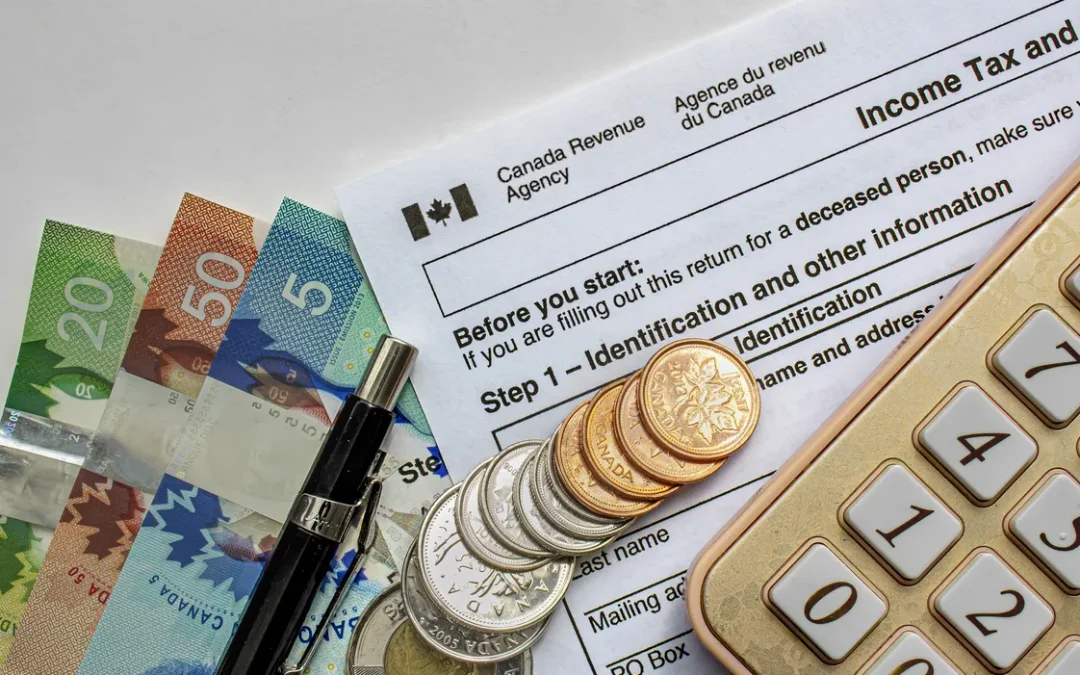
Tax Filing for Newcomers to Canada: In Canada, everyone needs to file their taxes with the Canada Revenue Agency (CRA) by April 30th of each year. This includes income earned in the previous year. Your employer provides a T4 slip that details your income and tax info for the year.
There are two types of income tax in Canada: provincial and federal. The rates depend on your income level. Canada uses a marginal tax system, meaning you pay tax based on different brackets for your income. There are online calculators to help figure this out, but most salaried workers have taxes deducted automatically from their paychecks.
Who Should File a Tax Return?
Generally, you need to file a tax return in Canada if you are a resident of Canada for tax purposes, or if you meet any of the following criteria:
Earned income: You earned employment income, self-employment income, or pension income in Canada.
Investment income: You have investment income from Canada, such as interest, dividends, or capital gains.
Owed taxes: You owe taxes to the Canadian government, even if you didn’t earn income in Canada.
Claimed benefits: You want to claim a refund of taxes withheld at source or claim benefits like the GST/HST credit.
Important Note: Even if you don’t meet the above criteria, filing a return might be beneficial to get any refunds you may be entitled to.
Filing Your Tax Return
There are five ways to file your taxes in Canada:
Certified Tax Software (electronic filing): This is the most popular method. The CRA approves various software programs that allow for electronic filing (NETFILE). It’s usually free, takes about two weeks to process, and can lead to a tax refund if you’ve overpaid.
Authorize a Representative: You can have someone like an accountant or family member file your taxes for you. This involves authorizing them with the CRA. Costs vary depending on the agreement.
Community Volunteer Tax Clinic: If your income is modest or your tax situation is simple, you may be able to use a free community tax clinic.
Discounter/Tax Preparer: These individuals can file your return upfront and give you a discounted refund right away. It’s faster but comes with a fee.
Paper Tax Return: While less common, you can still file a paper return. It’s free but takes longer to process (around 8 weeks).
How can I know whether I should pay tax or not?
The first step is to determine your residency status for tax purposes. This will determine which forms you need to file and how much tax you owe.
Resident: You’re considered a resident if you spend 183 days (or more) in a calendar year in Canada, or have strong residential ties (like owning a home or having a spouse/common-law partner in Canada). Residents report their worldwide income on a T1 return.
Non-resident: If you spend less than 183 days in Canada and lack strong residential ties, you’re a non-resident. You’ll only report income earned in Canada (employment income, pensions, rental income) on a non-resident return.
What do I need when filing my taxes?
Once you have determined your residency status, you will need to gather your documents. These include:
Beyond the basics like your name and address, here’s what you might need to have on hand:
Social Insurance Number (SIN): This unique 9-digit number is required to work and access benefits in Canada. File your return anyway if you don’t have one yet, and explain why in a letter to avoid late filing penalties. Newcomers may need details of their income before arriving in Canada.
Dependents’ information: Include details for your spouse, children, or elderly parents you support.
Depending on your situation, you might also need some of these documents:
T4 slips (if you worked in Canada): These are income statements from your employer for the past year.
Business income and expense records (for self-employed): Show your business income and expenses for the tax year.
Medical receipts (for claiming medical deductions): Keep receipts for medical expenses you or your dependents incurred if you plan to claim them on your return.
Foreign asset details (for newcomers): If you’re new to Canada and have foreign assets worth more than $100,000 CAD, you may need to declare them.
Childcare expense receipts (for claiming childcare benefits): Keep these receipts if you want to claim childcare benefits.
How can I file my taxes in Canada?
There are a few ways to file your return:
Do it Yourself (DIY): The CRA’s My Account service allows online filing. Tax preparation software is also available. This route can save money, but requires some tax knowledge.
Hire a Tax Preparer: A good option for complex situations or if you’re uncomfortable filing yourself. Consider Taxback or contacting a local tax professional for assistance.
The deadline to file is April 30th of the following year (e.g., April 30th, 2024 for 2023 taxes).
Remember:
File on time: Avoid penalties and interest charges by filing by the deadline.
Claim deductions and credits: You may be eligible for deductions (expenses you can deduct from your income) and credits (tax reductions). Explore the CRA website for details.
Keep your records: Maintain copies of your tax return and supporting documents for at least six years.
Effective March 19, 2024, spouses and partners of international students can only apply for a SOWP if their sponsoring student is enrolled in a master’s or doctoral degree program at a university or polytechnic institution in Canada.
Exceptions for Undergraduate Students
There are limited exceptions for spouses/partners of students enrolled in specific professional undergraduate programs at a university. These programs include:
Doctor of Dental Surgery (DDS, DMD)
Bachelor of Law or Juris Doctor (LLB, JD, BCL)
Doctor of Medicine (MD)
Doctor of Optometry (OD)
Pharmacy (PharmD, BS, BSc, BPharm)
Doctor of Veterinary Medicine (DVM)
Bachelor of Science in Nursing (BScN, BSN, BNSc)
Bachelor of Education (B. Ed.)
Bachelor of Engineering (B. Eng., BE, BASc)
Proof of Eligibility
Applicants for SOWP under these exceptions will need to provide documentation proving their relationship to the student and their partner’s enrollment in a qualifying program. Acceptable documents include:
A valid Letter of Acceptance (LOA) from a Designated Learning Institution (DLI)
Proof of enrolment letter from the student’s DLI
Transcripts from the student’s current program
Immigration Minister Marc Miller commented that the changes aim “to attack a volume challenge but also integrity challenges with what we believe was an area that was being exploited and not necessarily legitimate.”
Have you already applied before March 19, 2024?
Applications submitted for a SOWP before March 19, 2024, may still be eligible if the sponsoring student meets these existing requirements:
Holds a valid study permit.
Is eligible for a post-graduation work permit (PGWP).
Is a full-time student at a designated institution:
Public post-secondary school (college, university) or CEGEP in Quebec
Private college-level school in Quebec
Canadian private school authorized to award degrees (bachelor’s, master’s, doctoral)
These requirements also apply to existing SOWP holders seeking to extend their permits.
Alternatives for Ineligible Applicants
Spouses/partners who no longer qualify for SOWP may consider other options such as:
Applying for a different type of work permit.
Obtaining a visitor visa (TRV). However, visitors cannot work in Canada.
Understanding the Change
SOWPs allow holders to work for most employers in Canada and support family reunification. However, concerns were raised about processing volume and potential misuse. Immigration Minister Marc Miller stated the changes aim to address these issues while focusing on genuine relationships.




 Useful Resources for Canada
 Useful Resources for U.S.
 Our Local Immigration Services


