Mar 20, 2024 | Blog, Immigrate to Canada, Immigration, Immigration Reform, In the News, New Laws
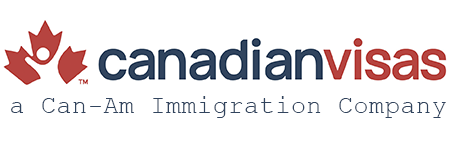
Tax Filing for Newcomers to Canada: In Canada, everyone needs to file their taxes with the Canada Revenue Agency (CRA) by April 30th of each year. This includes income earned in the previous year. Your employer provides a T4 slip that details your income and tax info for the year.
There are two types of income tax in Canada: provincial and federal. The rates depend on your income level. Canada uses a marginal tax system, meaning you pay tax based on different brackets for your income. There are online calculators to help figure this out, but most salaried workers have taxes deducted automatically from their paychecks.
Who Should File a Tax Return?
Generally, you need to file a tax return in Canada if you are a resident of Canada for tax purposes, or if you meet any of the following criteria:
- Earned income: You earned employment income, self-employment income, or pension income in Canada.
- Investment income: You have investment income from Canada, such as interest, dividends, or capital gains.
- Owed taxes: You owe taxes to the Canadian government, even if you didn’t earn income in Canada.
- Claimed benefits: You want to claim a refund of taxes withheld at source or claim benefits like the GST/HST credit.
Important Note: Even if you don’t meet the above criteria, filing a return might be beneficial to get any refunds you may be entitled to.
Filing Your Tax Return
There are five ways to file your taxes in Canada:
- Certified Tax Software (electronic filing): This is the most popular method. The CRA approves various software programs that allow for electronic filing (NETFILE). It’s usually free, takes about two weeks to process, and can lead to a tax refund if you’ve overpaid.
- Authorize a Representative: You can have someone like an accountant or family member file your taxes for you. This involves authorizing them with the CRA. Costs vary depending on the agreement.
- Community Volunteer Tax Clinic: If your income is modest or your tax situation is simple, you may be able to use a free community tax clinic.
- Discounter/Tax Preparer: These individuals can file your return upfront and give you a discounted refund right away. It’s faster but comes with a fee.
- Paper Tax Return: While less common, you can still file a paper return. It’s free but takes longer to process (around 8 weeks).
How can I know whether I should pay tax or not?
The first step is to determine your residency status for tax purposes. This will determine which forms you need to file and how much tax you owe.
- Resident: You’re considered a resident if you spend 183 days (or more) in a calendar year in Canada, or have strong residential ties (like owning a home or having a spouse/common-law partner in Canada). Residents report their worldwide income on a T1 return.
- Non-resident: If you spend less than 183 days in Canada and lack strong residential ties, you’re a non-resident. You’ll only report income earned in Canada (employment income, pensions, rental income) on a non-resident return.
What do I need when filing my taxes?
Once you have determined your residency status, you will need to gather your documents. These include:
-
Beyond the basics like your name and address, here’s what you might need to have on hand:
- Social Insurance Number (SIN): This unique 9-digit number is required to work and access benefits in Canada. File your return anyway if you don’t have one yet, and explain why in a letter to avoid late filing penalties. Newcomers may need details of their income before arriving in Canada.
- Dependents’ information: Include details for your spouse, children, or elderly parents you support.
Depending on your situation, you might also need some of these documents:
- T4 slips (if you worked in Canada): These are income statements from your employer for the past year.
- Business income and expense records (for self-employed): Show your business income and expenses for the tax year.
- Medical receipts (for claiming medical deductions): Keep receipts for medical expenses you or your dependents incurred if you plan to claim them on your return.
- Foreign asset details (for newcomers): If you’re new to Canada and have foreign assets worth more than $100,000 CAD, you may need to declare them.
- Childcare expense receipts (for claiming childcare benefits): Keep these receipts if you want to claim childcare benefits.
How can I file my taxes in Canada?
There are a few ways to file your return:
- Do it Yourself (DIY): The CRA’s My Account service allows online filing. Tax preparation software is also available. This route can save money, but requires some tax knowledge.
- Hire a Tax Preparer: A good option for complex situations or if you’re uncomfortable filing yourself. Consider Taxback or contacting a local tax professional for assistance.
The deadline to file is April 30th of the following year (e.g., April 30th, 2024 for 2023 taxes).
Remember:
- File on time: Avoid penalties and interest charges by filing by the deadline.
- Claim deductions and credits: You may be eligible for deductions (expenses you can deduct from your income) and credits (tax reductions). Explore the CRA website for details.
- Keep your records: Maintain copies of your tax return and supporting documents for at least six years.
For more information on this topic you can refer to the Canada Revenue Agency’s free guide to taxation for newcomers here

Mar 19, 2024 | Blog, Immigrate to Canada, Immigration, Immigration Reform, In the News, New Laws
Recent changes by Immigration, Refugees and Citizenship Canada (IRCC) have impacted the eligibility requirements for Spousal Open Work Permits (SOWP) for spouses and partners of international students. Take a look at the key updates and what they mean for you.
Effective March 19, 2024, spouses and partners of international students can only apply for a SOWP if their sponsoring student is enrolled in a master’s or doctoral degree program at a university or polytechnic institution in Canada.
Exceptions for Undergraduate Students
There are limited exceptions for spouses/partners of students enrolled in specific professional undergraduate programs at a university. These programs include:
- Doctor of Dental Surgery (DDS, DMD)
- Bachelor of Law or Juris Doctor (LLB, JD, BCL)
- Doctor of Medicine (MD)
- Doctor of Optometry (OD)
- Pharmacy (PharmD, BS, BSc, BPharm)
- Doctor of Veterinary Medicine (DVM)
- Bachelor of Science in Nursing (BScN, BSN, BNSc)
- Bachelor of Education (B. Ed.)
- Bachelor of Engineering (B. Eng., BE, BASc)
Proof of Eligibility
Applicants for SOWP under these exceptions will need to provide documentation proving their relationship to the student and their partner’s enrollment in a qualifying program. Acceptable documents include:
- A valid Letter of Acceptance (LOA) from a Designated Learning Institution (DLI)
- Proof of enrolment letter from the student’s DLI
- Transcripts from the student’s current program
Immigration Minister Marc Miller commented that the changes aim “to attack a volume challenge but also integrity challenges with what we believe was an area that was being exploited and not necessarily legitimate.”
Have you already applied before March 19, 2024?
Applications submitted for a SOWP before March 19, 2024, may still be eligible if the sponsoring student meets these existing requirements:
- Holds a valid study permit.
- Is eligible for a post-graduation work permit (PGWP).
- Is a full-time student at a designated institution:
- Public post-secondary school (college, university) or CEGEP in Quebec
- Private college-level school in Quebec
- Canadian private school authorized to award degrees (bachelor’s, master’s, doctoral)
These requirements also apply to existing SOWP holders seeking to extend their permits.
Alternatives for Ineligible Applicants
Spouses/partners who no longer qualify for SOWP may consider other options such as:
- Applying for a different type of work permit.
- Obtaining a visitor visa (TRV). However, visitors cannot work in Canada.
Understanding the Change
SOWPs allow holders to work for most employers in Canada and support family reunification. However, concerns were raised about processing volume and potential misuse. Immigration Minister Marc Miller stated the changes aim to address these issues while focusing on genuine relationships.
If you still have doubt about this or any other immigration matter contact our qualified immigration professionals for personalized guidance on your eligibility and application process.
Mar 14, 2024 | Blog, Immigrate to Canada, Immigration, Immigration Reform, In the News, New Laws
Immigration, Refugees and Citizenship Canada (IRCC) has released details of its plan to tackle the backlog of permanent residency (PR) applications. This backlog has been a significant source of frustration for many applicants, particularly during the COVID-19 pandemic.
Addressing Processing Times and Setting Clear Expectations
IRCC’s plan focuses on several key areas to improve processing efficiency and transparency:
-
Clearer Timelines: Applicants can expect to receive more realistic estimates of processing times based on application volume and age. Additionally, IRCC will establish service standards for programs that currently lack them.
-
Investigating Differential Wait Times: The OAG report highlighted disparities in processing times within programs. IRCC will develop tools to monitor wait times by country of residence and launch a pilot program to assess the potential impact of ethnicity and race on processing times.
-
Optimizing Resource Allocation: IRCC acknowledges the workload imbalance across its offices and aims to allocate resources more effectively based on targeted immigration levels and available staff.
-
Monitoring the Use of AI: IRCC is increasingly using Artificial Intelligence (AI) to streamline processing. While this has improved efficiency, the OAG recommends monitoring its impact on processing times. IRCC will examine how AI is currently used and make adjustments if necessary to ensure consistency.
Investigating Disparities in Processing Times
The OAG report highlighted inconsistencies in processing times within specific programs. IRCC acknowledges this issue and will be launching a tool to monitor wait times by country of residence. They will also be conducting a pilot program to assess the potential impact of ethnicity and race on processing timelines.
Improving Internal Workflows and Resource Allocation
IRCC recognizes the need for a more balanced workload distribution across its offices. They will be developing a monitoring system to identify bottlenecks within the processing workflow and ensure resources are allocated efficiently. This includes a review of staffing levels in high-demand regions, such as sub-Saharan Africa.
The Role of Artificial Intelligence (AI) in Processing
The use of AI has become increasingly prevalent in IRCC’s operations. While AI has helped expedite processing times for some applications, the OAG raised concerns about potential bias. IRCC will be closely monitoring the impact of AI on processing times and take corrective actions if necessary.
Key Deadlines and Next Steps
The action plan outlines several deadlines for implementing these changes. Here are some key dates to keep in mind:
- December 31, 2024: New service standards will be established for programs without them.
- March 31, 2024: IRCC will recommend updates to existing service standards for economic class and family sponsorship programs.
- October 1, 2024: A tool to monitor wait times by country of residence will be launched.
- April 1, 2024 and 2025: Several initiatives will be completed, including developing a system to monitor processing delays and a review of AI use in decision-making.
What This Means for Applicants
While some of IRCC’s proposed solutions will require time to implement, this action plan signifies a positive step towards reducing application backlogs and improving overall processing efficiency. For applicants, this translates to clearer expectations, potentially faster processing times, and a more transparent immigration process.
We Recommend:
- Stay informed: Regularly check the IRCC website for updates on processing times and service standards.
- Consider professional guidance: An experienced immigration lawyer can help navigate the application process and ensure you meet all eligibility requirements.
If you are considering applying for permanent residence in Canada, this is a promising development. Contact us today to discuss your eligibility and explore your options!

Mar 12, 2024 | Business Immigration, Canadian Experience Class, Citizenship, Complete Representation, Federal Skilled Trades, Humanitarian & Compassionate, Permanent Residency, Processing Times
Invitation to Apply for Permanent Residence Canada (ITA)
If you are interested in becoming a Permanent Resident of Canada, you will need to be invited through an Invitation to Apply (ITA). This ITA is a document issued by Immigration, Refugees and Citizenship Canada (IRCC). After receiving an ITA, applicants will have the chance to apply for Canadian permanent residence and bring their accompanying family members, such as their spouse or common-law partner and any dependent children, along with them.
Step-by-step process of getting an Invitation to Apply (ITA) to immigrate to Canada:
1. Create an Express Entry profile to enter the Express Entry pool.
The first step involves submitting information about your skills, language ability, education, and work experience. If you meet the criteria for immigration to Canada, you will be placed in the Express Entry pool.
2. Receive a Comprehensive Ranking System score.
You will then be given a Comprehensive Ranking System (CRS) score based on the information in your Express Entry profile. The CRS score is used to rank candidates based on their skills and other factors.
3. Boost Your CRS Score
The Comprehensive Ranking System (CRS) assigns points based on your human capital factors like skills, education, age, language proficiency, and work experience. A higher score increases your chances of receiving an ITA. Consider these strategies:
- Improve Language Skills: Aim for high scores on English or French language tests like IELTS or CELPIP. Strong language abilities are essential for integrating into Canadian society and the workforce.
- Gain Work Experience: Relevant Canadian or international experience boosts your score. Look for opportunities in fields listed in Canada’s National Occupational Classification (NOC) for additional points.
- Pursue Higher Education: A Canadian degree, diploma, or relevant post-secondary qualification can be advantageous. Consider Canadian institutions or programs approved by Canadian education credential assessment services.
- Secure a Valid Job Offer: A job offer from a Canadian employer with LMIA (Labour Market Impact Assessment) approval adds significant points and demonstrates your employability in Canada.
- Provincial Nomination: Receiving a nomination from a Canadian province/territory can significantly increase your CRS score. PNPs target skilled workers to address specific labor market needs. Research programs offered by provinces that align with your skills and experience.
4. Receive an Invitation to Apply (ITA) if your score is above the cut-off threshold score.
IRCC regularly conducts draws inviting candidates with the highest CRS scores to apply for permanent residence. The cut-off score for each draw varies depending on the number of applications received by IRCC.
If your CRS score is higher than the cut-off threshold score for that specific Express Entry draw, you will receive an ITA.
5. Submit a complete application for permanent residence (APR) in your online account.
Once you receive an ITA, you will have 60 days to submit a complete application for permanent residence (APR) in your online account. This involves providing documents such as passport, language test scores, job offer letter, and more.
Read more about: GCKey: Apply Online For Canada Immigration and Visa
6. Receive a Confirmation of Permanent Residence (COPR) and/or a Permanent Residence Visa.
After your application is approved, you will receive a Confirmation of Permanent Residence (COPR) and/or a Permanent Residence Visa.
7. Live and work in Canada as a Permanent Resident.
Finally, once you have your permanent residence visa, you can travel to Canada and live and work as a Permanent Resident.

National Occupational Classification (NOC) and Express Entry
The NOC is a system used by the Canadian government to categorize jobs based on skill level, type of work performed, and educational requirements. When creating your Express Entry profile, you’ll need to identify the NOC code that best reflects your primary work experience. Occupations in higher NOC skill levels (typically NOC 0, A or B under NOC 2016 or TEER levels 3, 4 or 5 under NOC 2021) are generally eligible for Express Entry.
Here’s how the NOC can influence your Express Entry profile:
- Eligibility: Choosing the correct NOC code ensures your work experience aligns with eligible occupations for Express Entry.
- CRS Points: Certain NOC codes may award more points under the CRS compared to others. Jobs requiring higher skill levels or those in high demand by Canadian employers tend to receive more points.
Research the NOC carefully and choose the code that most accurately reflects your main work duties. A mismatch can affect your eligibility or CRS score. You can find the NOC list and descriptions on the Employment and Social Development Canada website: Find your National Occupation Classification (NOC).
What Should You Do After You Receive an ITA
If you have received an Invitation to Apply (ITA), you have only 60 days to put together and submit all of your required supporting documents. To ensure that you’re ready to apply and make the most of the two-month period, it is important to begin collecting and organizing the necessary documents ahead of time.
In case you are unable to submit your application within the 60-day period, you will have the option to re-enter the Express Entry pool and start the process over.
How to Get an Invitation to Apply for Permanent Residence
To receive an ITA, you must first be eligible to immigrate by meeting the minimum requirements for the Express Entry pool. The Comprehensive Ranking System (CRS) score is used to assess a candidate’s eligibility.
The CRS score ranks an individual based on:
- Skills
- Education
- Language ability
- Work experience,
- and other factors.
Invitations to apply (ITA) will be given to those with a minimum CRS score or higher of that specific Express Entry draw.
Read more about: Changes in Express Entry in 2023
Documents you will need to apply for Permanent Residency
You will need the following documents to apply for a Canadian Permanent Residence:
- Passport
- Language Test score results
- Birth Certificate
- Work experience documentation
- Police Verification report
- Upfront medical receipt
- Medical report
PNP programs may require additional documents, including:
- Education Credential Assessment (ECA)
- Proof of Funds
- Offer letter from a Canadian employer
- Provincial Nomination Certificate or territorial certificate of nomination
- Marriage certificates or divorce certificates (if applicable)
- Your Personal reference code
- Express Entry Profile Number
- Job seeker validation code
- Letter of recommendation from previous employers.
Not Getting an ITA?
If you don’t receive an ITA in this round, don’t be discouraged. Consider these options:
- Re-entering the Express Entry pool: Keep your profile updated and look for ways to improve your CRS score. Aim to gain more work experience, improve your language proficiency, or pursue further education.
- Exploring Provincial Nominee Programs (PNPs): Research targeted provincial nominations that align with your skills and experience. These programs can boost your CRS score and provide a direct path to permanent residence in a specific Canadian province.
We Can Help You Determine Your Eligibility! Talk to an adviser today! (Click here)
(more…)

Mar 6, 2024 | Blog, Canadian Employers, Immigration, In the News, New Immigration Programs, New Laws, Skilled Workers, Temporary Foreign Workers, Working In Canada
Canada is taking steps to strengthen the economies and cultural fabric of rural and Francophone minority communities by launching two new immigration pilot programs. The announcement, made by Immigration, Refugees and Citizenship Canada (IRCC) on March 6, 2024, comes alongside the positive results of the existing Rural and Northern Immigration Pilot (RNIP).
The Rural Community Immigration Pilot
The existing RNIP has been a game-changer for rural communities struggling with labor shortages. Since its launch in 2019, it’s connected thousands of skilled newcomers with remote areas, breathing new life into local economies. Recognizing this success, the IRCC is launching the Rural Community Immigration Pilot (RCIP) in the fall of 2024, and taking a two-pronged approach:
- Transitioning RNIP to a Permanent Program: This signifies a long-term commitment to supporting rural communities by ensuring a steady stream of skilled immigrants to address labor shortages.
- Introducing the Rural Community Immigration Pilot (RCIP): Launching in fall 2024, the RCIP will provide pathways to permanent residence for newcomers with skills aligned with critical needs in rural areas. This fosters long-term community development by encouraging newcomers to settle and build their lives there.
This new pilot goes a step further by aiming to create a permanent pathway to permanent residence for skilled immigrants willing to put down roots in rural Canada. This targeted approach directly addresses critical labor shortages in sectors like healthcare, manufacturing, and hospitality, ensuring these communities have the workforce they need to thrive.
The Francophone Community Immigration Pilot
Running alongside the RCIP is the Francophone Community Immigration Pilot, also launching in fall 2024. This program aligns perfectly with Canada’s Francophone Immigration Policy, aiming to significantly increase the number of French-speaking newcomers settling outside Quebec.
The benefits are twofold. The pilot will bolster the economic and demographic weight of Francophone minority communities, while simultaneously strengthening the presence of the French language across Canada. This is a significant step towards achieving the government’s ambitious targets for French-speaking immigration.
How Communities Can Get Involved
IRCC will open applications for communities to participate in these pilots this spring. The specific details and selection criteria will be unveiled in the coming months.
This focus on collaboration underscores the government’s dedication to regional immigration strategies. As Immigration Minister Marc Miller highlighted, working hand-in-hand with rural and Francophone communities is crucial for attracting and retaining skilled immigrants. This collaborative approach fosters economic growth and ensures the long-term vitality of these regions.
Key Facts
- As of December 31, 2023, over 4,500 newcomers have obtained permanent residence through the RNIP, filling crucial positions in healthcare, hospitality, and other key sectors.
- Recent changes to the existing RNIP program extended the application deadline and increased the number of candidates communities can recommend, allowing for continued participation and labor market support.
- The launch of the RCIP aligns with the recommendations outlined in IRCC’s report, “An Immigration System for Canada’s Future,” which highlights the importance of regional immigration strategies.
- The Francophone Community Immigration Pilot fulfills IRCC’s commitment to expand opportunities for French-speaking immigrants as outlined in the 2024-2028 Implementation Plan for the Policy on Francophone Immigration.
These new initiatives demonstrate Canada’s commitment to building a strong and inclusive immigration system that benefits both newcomers and the communities they choose to call home.